

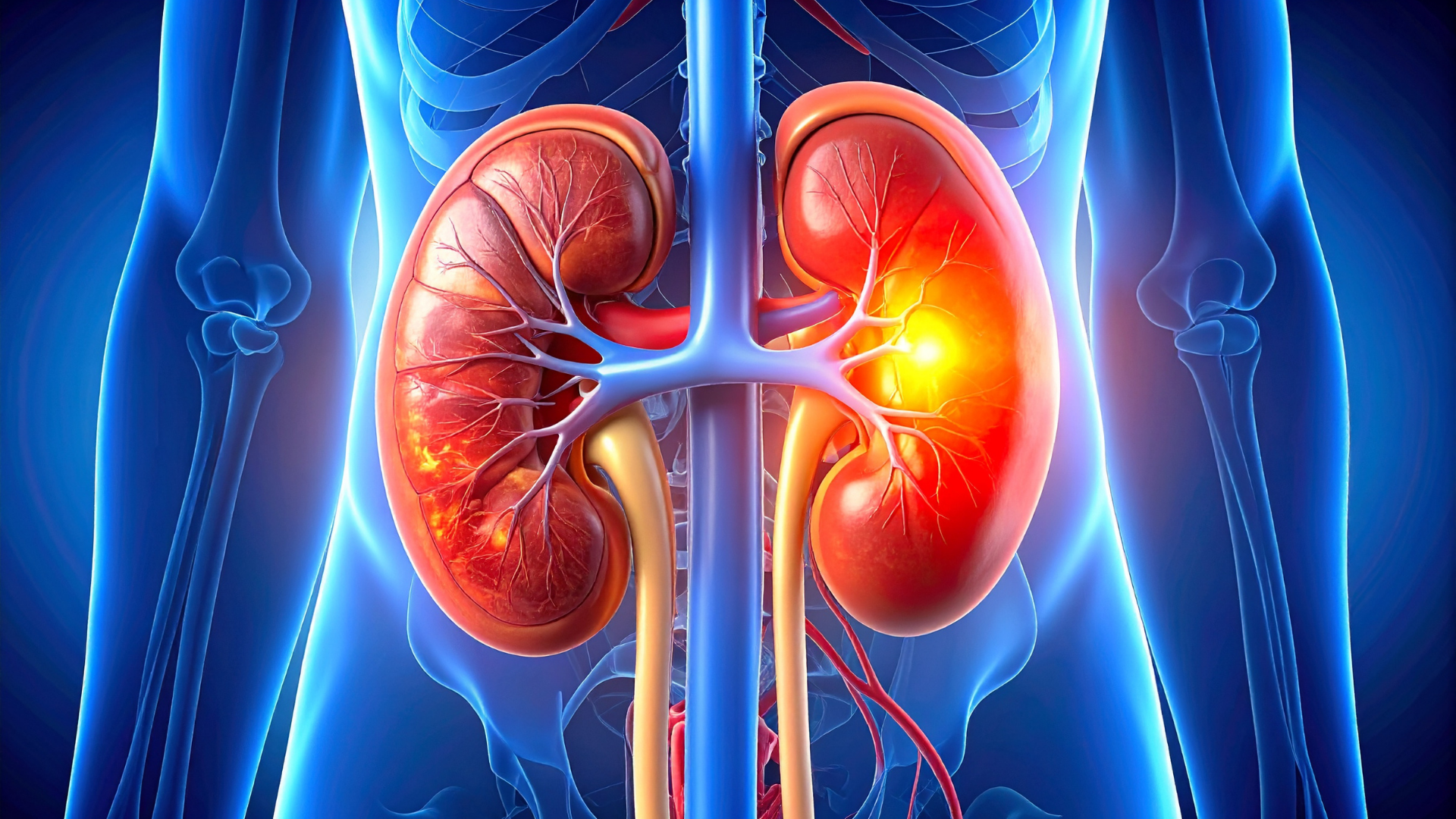
Hearing loss and chronic kidney disease are closely linked—early hearing checks can support better communication and overall care.

Hearing loss may be more common in Parkinson’s disease—early evaluation can improve communication and quality of life.
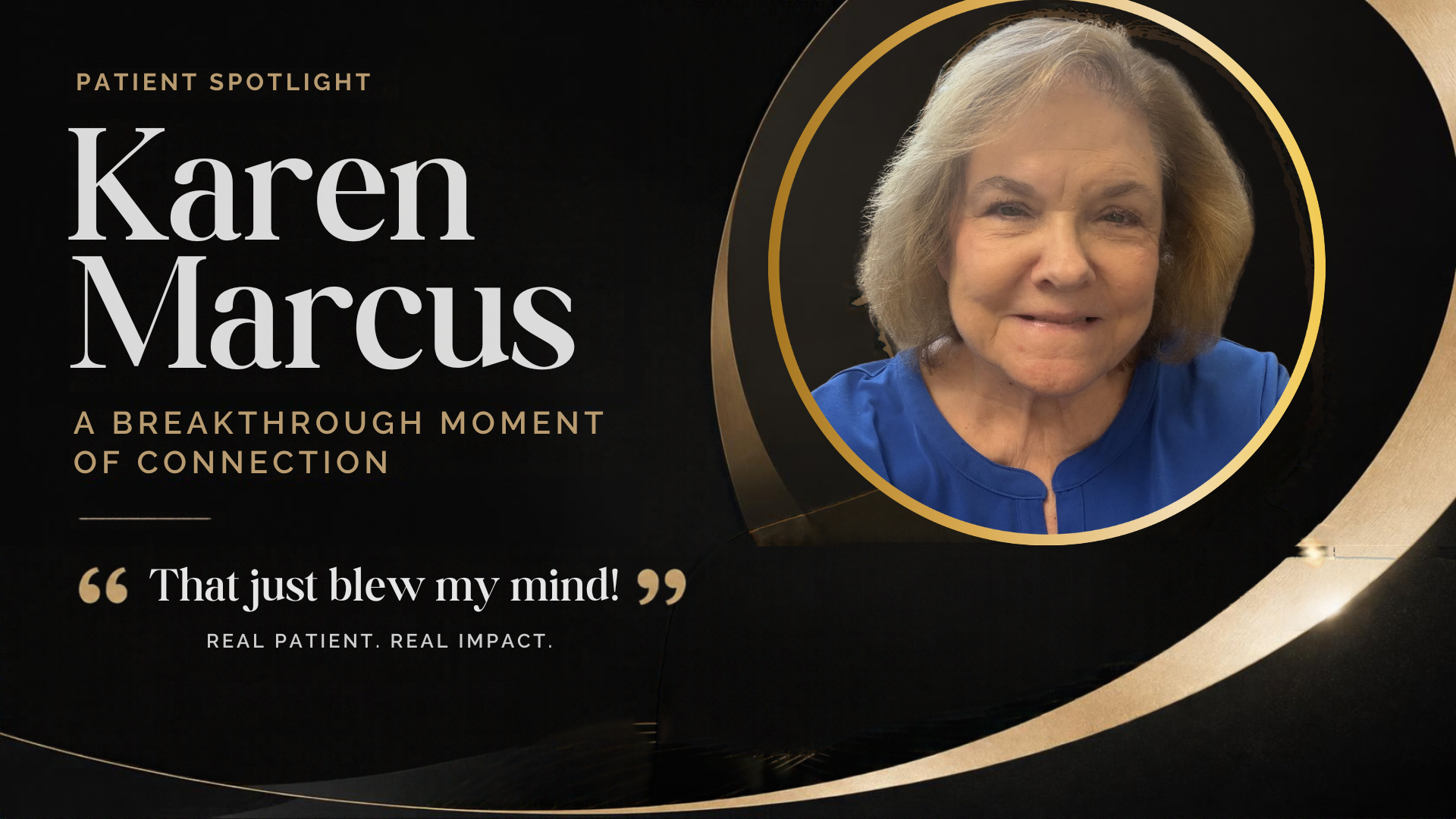
The restaurant was loud. Music played in the background, conversations filled the room and Karen Marcus was seated with a group of coworkers. For much of her life, this was exactly the kind of setting that made communication difficult. But this time, something remarkable happened: Karen could understand the person sitting across the table. “That just blew my mind,” she recalled. It may sound like an ordinary conversation, but for Karen, it represented something much bigger. She was not trying to piece together fragments of sentences or repeatedly asking someone to start over. She was simply sitting at the table, following the conversation and being part of the moment. A Lifetime of Working to Hear Karen was born with hearing loss. As she grew older, her hearing continued to decline, making conversations increasingly difficult. Social situations could leave her feeling uneasy before they even began. She might have to ask “What?” again and again, misunderstand what someone said or miss the conversation completely. “It was frustrating and embarrassing, even though it shouldn’t be,” Karen said. Her family and coworkers understood her hearing loss and tried to help by facing her when they spoke so she could read their lips. That support mattered, but communication still required effort. A restaurant, meeting or group conversation could quickly become overwhelming. Karen wanted to hear more clearly, but she also wanted something deeper: the confidence to participate without constantly worrying about what she might miss. Discovering What Was Possible Karen eventually received a cochlear implant and a compatible hearing aid. Before her implant was activated, she read about the experiences of other cochlear implant recipients and joined several online support groups. She wanted to understand what the process might be like and what she could realistically expect. Once her implant was activated, those possibilities began to become real. “Seeing those expectations come to realization, it has just been an amazing journey,” she said. The change became especially clear during that evening at the restaurant. Surrounded by music and competing voices, Karen could understand someone seated across the table—one of the most challenging listening situations for many people with hearing loss. Karen is careful not to describe the result as perfect hearing. Instead, she measures it against what life sounded like before. “I’m not going to exaggerate and say that it’s perfect,” she said. “But based on what it was before and what it is now, it’s light-years ahead.” Better Hearing in Everyday Life The difference extends beyond one memorable conversation. Karen can stream cellphone calls directly into her hearing devices, making it easier to understand the person on the other end. Television audio can also stream to her devices, helping her follow programs without struggling to catch every word. For conferences, presentations and other situations when a speaker may be farther away, Karen uses a Roger assistive listening device. During one tour, the guide clipped the Roger microphone to their collar. Even from approximately 20 feet away, Karen could hear the guide without difficulty. These features are not simply conveniences. They help Karen stay involved in her work, enjoy everyday activities, and communicate with greater confidence. “My new hearing devices have really helped with my confidence because I can hear so much better,” she said. “Overall, I just feel more normal, if you will.” A Team Celebrating Every Step Technology has played an important role in Karen’s progress, but so has the care surrounding it. Karen describes Dr. Hannah Dearth and Dr. Katie Brown as encouraging, patient, and kind throughout her cochlear implant journey. As her hearing improved, they celebrated each new milestone alongside her. “When I got my cochlear implant, every time I made progress, they were cheerleading me on,” she said. She also remembers what happened after she purchased a new iPhone and could not get it working properly with her hearing devices. The Johnson Audiology team initially emailed instructions, but when Karen still had difficulty, they invited her to come into the office. Christian, a Johnson Audiology, audiology assistant, patiently reviewed the settings on her phone and made sure everything was connected correctly. “He didn’t make this Boomer feel silly that I was needing all this technical help,” Karen said. That experience reflects what Karen values most about the team: she never feels rushed or dismissed. “They always answer all of my questions and make me feel like I am their one and only patient for the entire day,” she said. More Than Hearing Better Karen’s journey has not been about achieving perfect hearing. It has been about discovering how much more may be possible with the right combination of technology, professional care and continued support. For Karen, progress sounds like a phone call streaming clearly into her hearing devices. It sounds like a tour guide speaking from 20 feet away. It sounds like music playing in a busy restaurant—and still being able to understand the person across the table. Most of all, it feels like greater confidence and a renewed ability to participate in the personal and professional moments that matter to her. “I feel so fortunate to have been connected with Johnson Audiology,” Karen said. “Everything has been so wonderful on this journey to better hearing.” Karen will soon share more of her experience in an upcoming Johnson Audiology patient testimonial video. Watch for the opportunity to hear her story in her own words.