
Hearing Care for Active Duty Service Members & Veterans
You've Served Your Country.
Let Johnson Audiology Serve Your Hearing Health Care Needs.
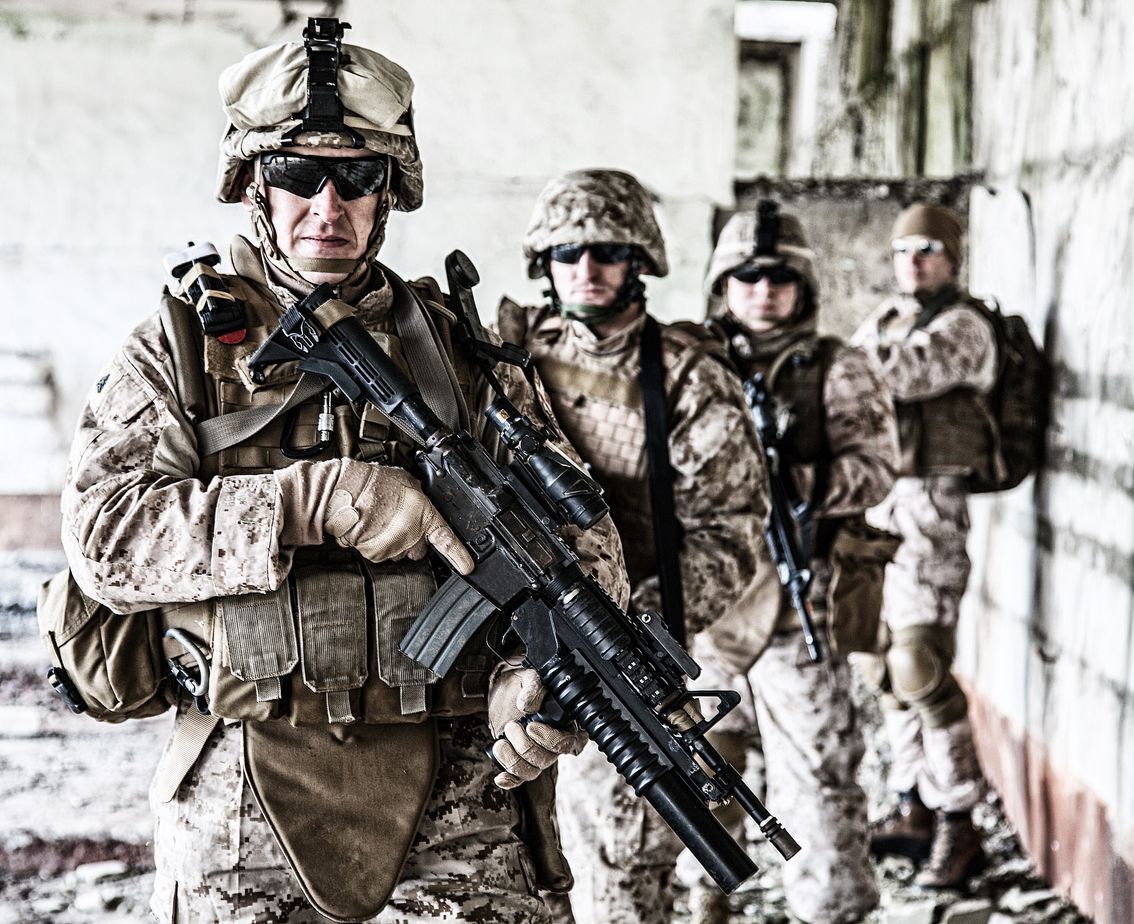
Military service often comes with exposure to intense noise from weapons, aircraft, heavy equipment, explosions, training exercises, and more. While these sounds are part of serving our nation, they can leave a lasting impact on your hearing health.
As a VA-approved audiologist, Johnson Audiology is proud to care for veterans and those on active duty. Whether you're seeking help for hearing loss, tinnitus (ringing in the ears), or need documentation connecting your hearing condition to military service, our experienced team is here to help.
Hearing Loss and Tinnitus Among Active Duty and Veterans
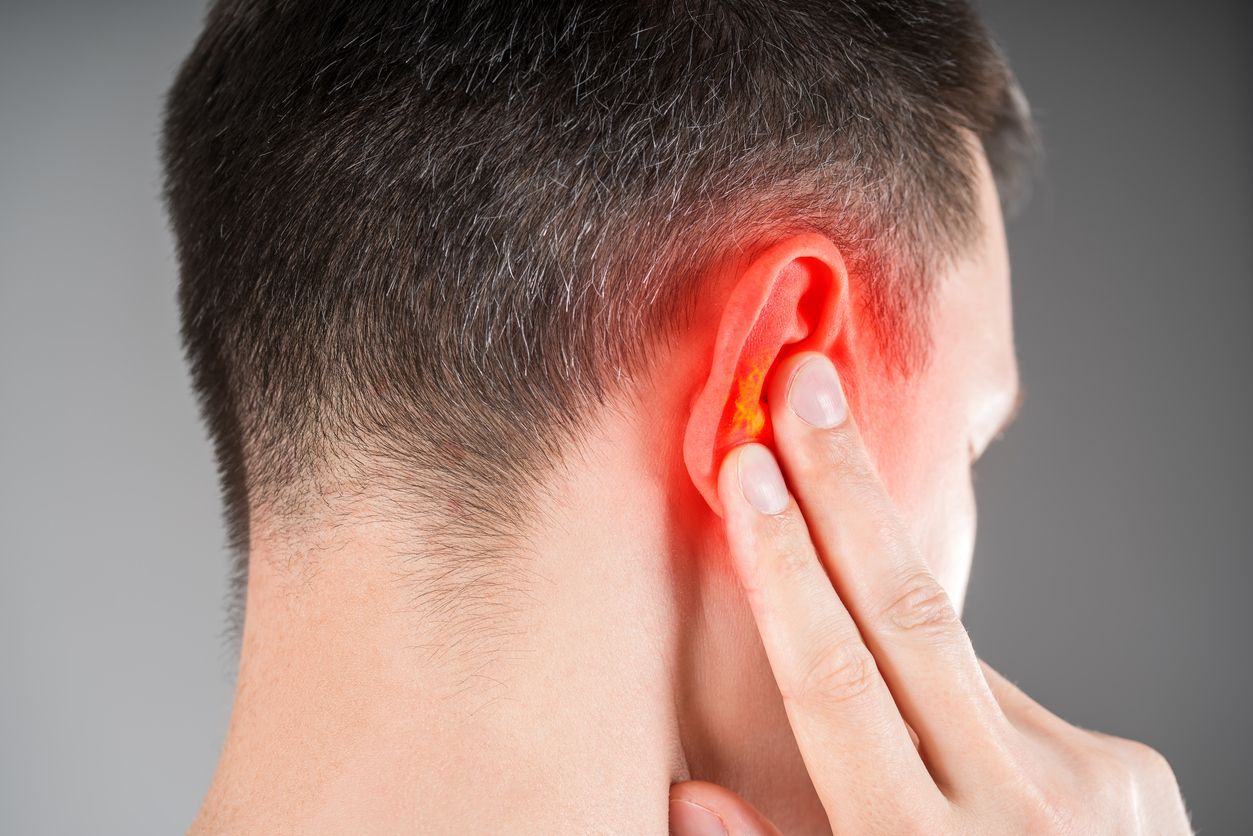
Hearing loss and tinnitus are among the most common service-connected disabilities affecting the military community today as explosive noises of military service can destroy the delicate hair cells in the inner ear. These cells cannot regrow, leading to irreversible damage.
According to the U.S. Department of Veterans Affairs, hearing problems are the most prevalent service-connected disabilities among American veterans. Military noise exposure unique to those in the military significantly increases the risk of permanent hearing damage.
- Tinnitus: This is a constant ringing, buzzing, or hissing sound in the ears. It is the number one service-connected disability for veterans.
- Noise-Induced Hearing Loss (NIHL): This is the gradual or instant loss of the ability to hear certain frequencies. It often makes understanding speech difficult, especially in crowded rooms.
- Acoustic Trauma: A single, intense blast (like an IED or artillery fire) can instantly rupture the eardrum or fracture the tiny bones inside the ear.
Consider these facts:
- More than 1.5 million United States veterans receive disability compensation for hearing loss.
- More than 3 million veterans receive disability compensation for tinnitus.
- Tinnitus and hearing loss consistently rank among the most common service-connected disabilities awarded by the VA.
- Research has found tinnitus prevalence rates exceeding 50% in some veteran populations exposed to military noise and blast exposure.
The good news is that today's hearing technology and tinnitus management solutions can help veterans and active duty service members reconnect with the sounds they don't want to miss and quieten the ringing of tinnitus.
Plus, advancements in hearing preservation devices can help military members protect hearing while still maintaining situational awareness.

Three Ways Service Members & Veterans Access Hearing Care at Johnson Audiology
1.
Nexus Letters for VA Disability Claims
Many veterans experience hearing loss or tinnitus related to military noise exposure but need medical documentation to support a VA disability claim.
A nexus letter is a professional medical opinion that explains the connection between your current hearing condition and your military service. Our audiologists can perform a comprehensive hearing evaluation and provide the documentation needed to help support your claim when appropriate.
A nexus letter may be helpful if:
- You were exposed to loud noise during military service
- You currently experience hearing loss or tinnitus
- You are filing a new VA disability claim
- You are appealing a previously denied claim
2.
Community Care Referrals Through Optum
Many veterans receive hearing healthcare through the VA Community Care Network managed by Optum Serve (formerly LHI), the official Third-Party Administrator (TPA) for VA region 3 in which Tennessee and Georgia are located.
This allows veterans to receive care in their local communities when the VA cannot provide hearing health care services at a local VA facility due to wait times or lack of specialized services. In these cases, the VA will issue a referral to an outside specialist, like Johnson Audiology.
The Johnson Audiology team works with authorized Optum Serve referral patients and understands the processes involved in coordinating care for veterans.
If the VA authorizes community care services, you may be referred to Johnson Audiology for:
- Diagnostic hearing testing
- Hearing aid evaluations and VA hearing aids
- Hearing aid fittings and follow-up care
- Tinnitus services
- Ongoing hearing healthcare
3.
Hearing Care Through TRICARE
Johnson Audiology accepts many TRICARE plans and can help eligible military members and retirees access hearing healthcare benefits.
If you're covered by TRICARE, our staff can help determine your benefits and guide you through the referral process when needed.
TRICARE functions similarly to commercial insurance and is split into distinct plan types based on location, duty status, and preference.
Our team can assist with:
- Comprehensive hearing evaluations
- Hearing aid consultations and fittings
- Tinnitus evaluations and management
- Ongoing hearing aid care and maintenance
Who might be covered:
- Active-duty service members and their immediate family members.
- National Guard and Reserve members and their families.
- Retired service members, retired reservists, and their families.
- Survivors, certain former spouses, and Medal of Honor recipients.


What are the stats on hearing loss among those in the military?
Military service members experience hearing loss and tinnitus at significantly higher rates than the general population due to repeated exposure to gunfire, aircraft, explosions, heavy equipment, and other hazardous noise. Hearing loss and tinnitus are consistently among the most common service-connected disabilities recognized by the U.S. Department of Veterans Affairs. Today, more than 3.2 million veterans receive disability compensation for tinnitus and more than 1.5 million receive compensation for hearing loss. Studies have also found that tinnitus rates among military personnel have more than tripled over the past two decades.

Why does hearing matter for service members and veterans?
Hearing plays a critical role in military service, where the ability to communicate clearly, detect warning signals, and maintain situational awareness can impact both mission success and personal safety. After service, healthy hearing remains essential for staying connected with family, participating in social activities, and maintaining overall quality of life. Unfortunately, years of exposure to weapons fire, aircraft, explosives, and heavy machinery can take a toll on hearing. Hearing preservation to protect hearing as well as early evaluation and treatment when hearing loss has occured can help veterans and service members continue to communicate confidently and fully engage in the moments that matter most.

How can healthy hearing affect your ability to advance in your career?
Hearing loss doesn’t just affect your ability to communicate—it can directly impact your income and job stability. Research shows that untreated hearing loss can reduce a person’s earning potential by as much as $30,000 per year. That’s a significant loss over time, especially if hearing difficulties are left unaddressed.
The good news? Wearing hearing aids dramatically reduces that risk.
- Individuals with mild hearing loss who use hearing aids reduce their risk of income loss by up to 90%.
- Those with moderate to severe hearing loss can reduce that risk by up to 77%.
These numbers speak for themselves: treating your hearing loss is an investment not just in your health, but in your career and long-term financial well-being, whether you are pursing a military career or a job in the private sector.
Can addressing hearing loss protect your brain?
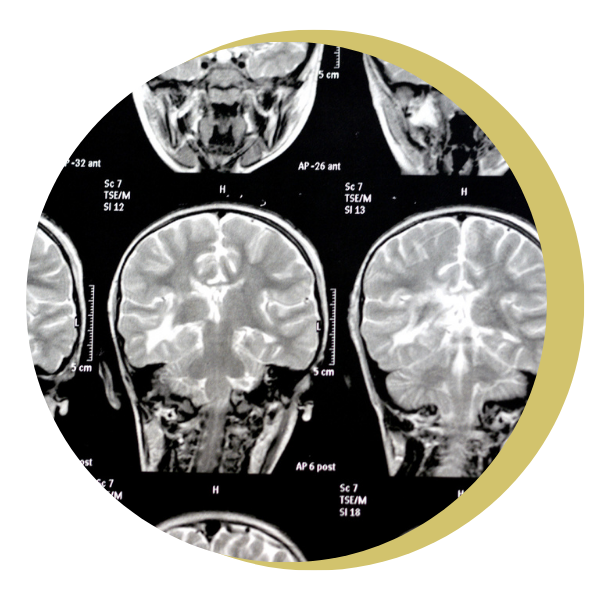
Yes! Using electroencephalography (EEG), researchers have noted increased activity in the frontal and pre-fontal areas in the brain in those with even mild hearing loss. This re-allocation of cortical resources from the auditory areas to the frontal cognitive areas suggests that the brain is expending more effort to listen. This increase in cognitive load can lead to listening fatigue, may be a factor in cognitive decline, and can put a person at higher risk for mental health issues like anxiety and depression. Notably, in those who use hearing aids or cochlear implants to address their hearing loss, the brain recruitment that was taking place to make up for hearing deficits realigns.
Why should you choose Johnson Audiology if you are a service member or a veteran?
Johnson Audiology thanks our military community for their service and offers professional care and friendly staff, who work with service members and veterans to utilize their benefits whenever possible.
Johnson Audiology offers:
- A team of university-trained Doctors of Audiology helping you hear better.
- Patient Care Coordinators and Audiology Assistants attending to your needs with hearing aid cleaning and maintenance and other routine care.
- In-house insurance specialists who verify military and private pay benefits before you arrive at your first appointment.
- Appointment verification and hearing test results sent to your referring physician so your patient chart stays current.
- VA-approved audiologist & VA Community Care audiologist