
Teaching Involves Listening: Hearing Loss and The Education Profession
The Critical Role of Hearing in Effective Teaching
Good hearing plays a vital role in an educator’s ability to create a successful and engaging classroom. From listening to student questions and discussions to monitoring classroom dynamics and responding to subtle cues, educators rely on clear hearing throughout the day.
When hearing is reduced, it can make communication more challenging, increase listening fatigue, and make it harder to fully connect with students. Prioritizing healthy hearing allows educators to stay attentive, communicate clearly, and maintain the strong relationships that support learning.
By taking care of their hearing, educators can continue to lead vibrant, responsive classrooms where every voice can be heard.

What are some common hearing challenges for educators?
You may notice:
- Struggling to hear students in noisy classrooms
- Difficulty understanding soft-spoken students and/or in settings with more than one speaker
- Not understanding a student's or colleague's question and, thus, responding incorrectly
- Struggling to hear speech in large settings like a gymnasium, cafeteria, or lecture hall
- Ringing or buzzing in your ears
- Mental exhaustion after teaching
- Asking students to repeat themselves more often
Many teachers assume this is “just part of the job.” It’s not. Hearing loss often develops gradually so you are not always aware of what sounds you are beginning to miss. Timely intervention at the first sign of hearing loss is ideal.

Why does hearing matter for educators?
Whether you teach preschool, elementary, middle, or high school, or at the university level, your hearing impacts:
- Classroom management
- Student engagement
- Safety awareness
- Professional confidence
- Energy levels at the end of the day
- Earning potential
Educators rely on subtle cues — raised hands, whispered questions, group discussions, hallway conversations. Missing even small details can lead to increased stress and fatigue.

How can healthy hearing affect your ability to advance in your career?
Did you know hearing loss can affect your earning and advancement potential? In fact, those with severe hearing loss have an unemployment rate double that of the population of people who are typically hearing.
Here's what the National Institutes of Health (NIH) says on the subject:
- Untreated hearing loss can decrease a person’s annual income by as much as $30,000.
- Hearing aids reduce the risk of income loss by 90 to 100% for those with milder hearing loss, and from 65 to 77% for those with moderate to severe hearing loss.
Additionally, hearing loss can put a person at risk for cognitive decline. Read on to learn more about this risk.

How are hearing health and brain health related?
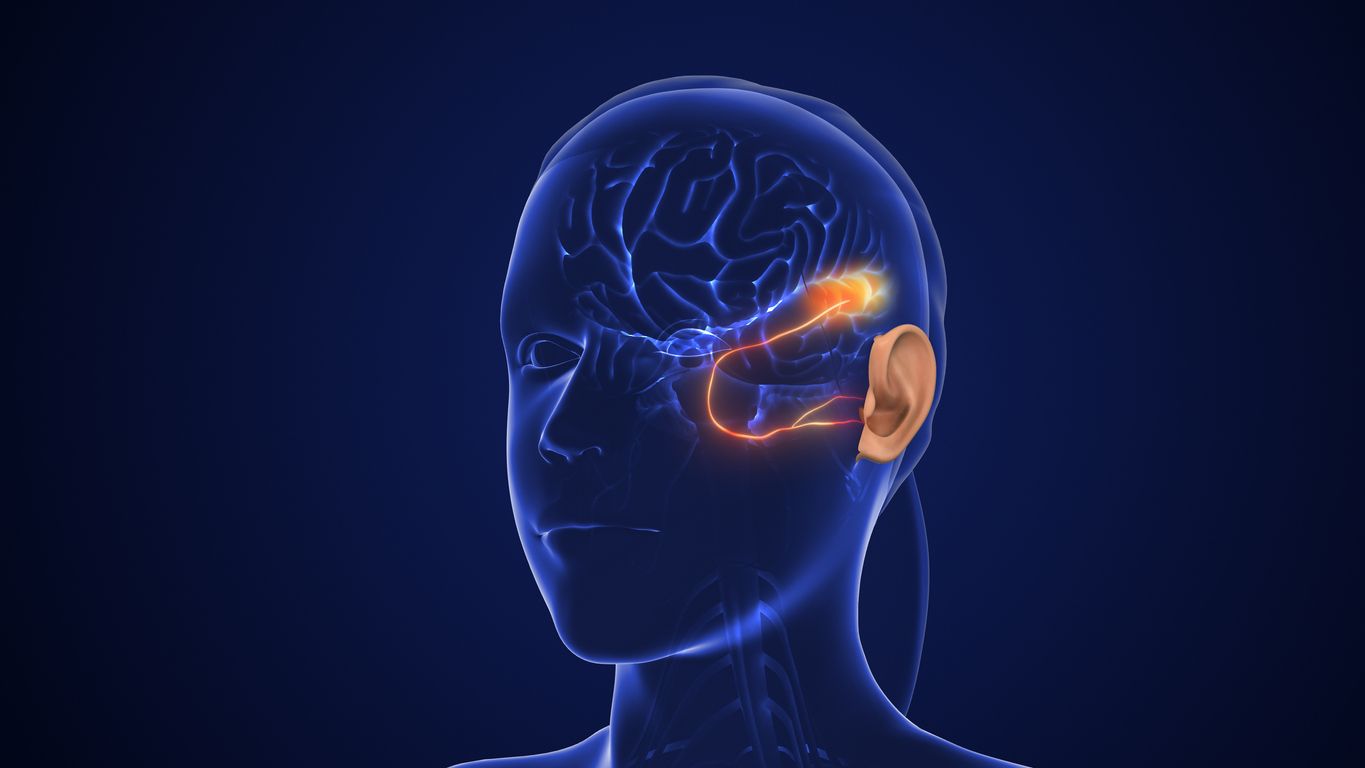
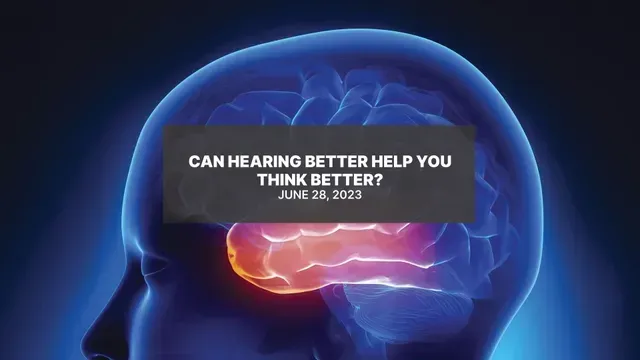
The human brain is accustomed to and wired for receiving a full range of environmental sounds with speech being one of the most complex and structured that the human brain interprets. Thus, when an auditory task that was once effortless—like listening to a conversation in a bustling school cafeteria—becomes challenging due to hearing loss, the brain compensates by seeking to accomplish the same goal by way of vision. Researchers have found that the brain physically changes when this recruitment of vision happens, with the higher order areas of the auditory cortex showing functional changes when recruited by vision.
Using electroencephalography (EEG) on people with hearing loss, researchers stimulate the brain using only visual input and observe that areas of the brain that responded to auditory input before hearing loss have reorganized to respond to visual stimuli.
Can improving hearing with technology help the brain?
Yes! Long-term research is still being gathered to paint the full picture on the benefits of hearing technology—like hearing aids and cochlear implants—as it applies to decreased brain recruitment and reorganization, but initial research points in that direction.
Some case studies reveal that people wearing hearing aids appear to show a reversal in brain recruitment and reallocation. Further, the brain of a person who has been treated for hearing loss sooner rather than later experiences fewer changes in cortical resource allocation. Also, that person is more likely to retain better speech perception as compared to a person whose brain has "forgotten" how to hear as a result of long-term untreated hearing loss.
Why should you choose Johnson Audiology as your healthy hearing partner?
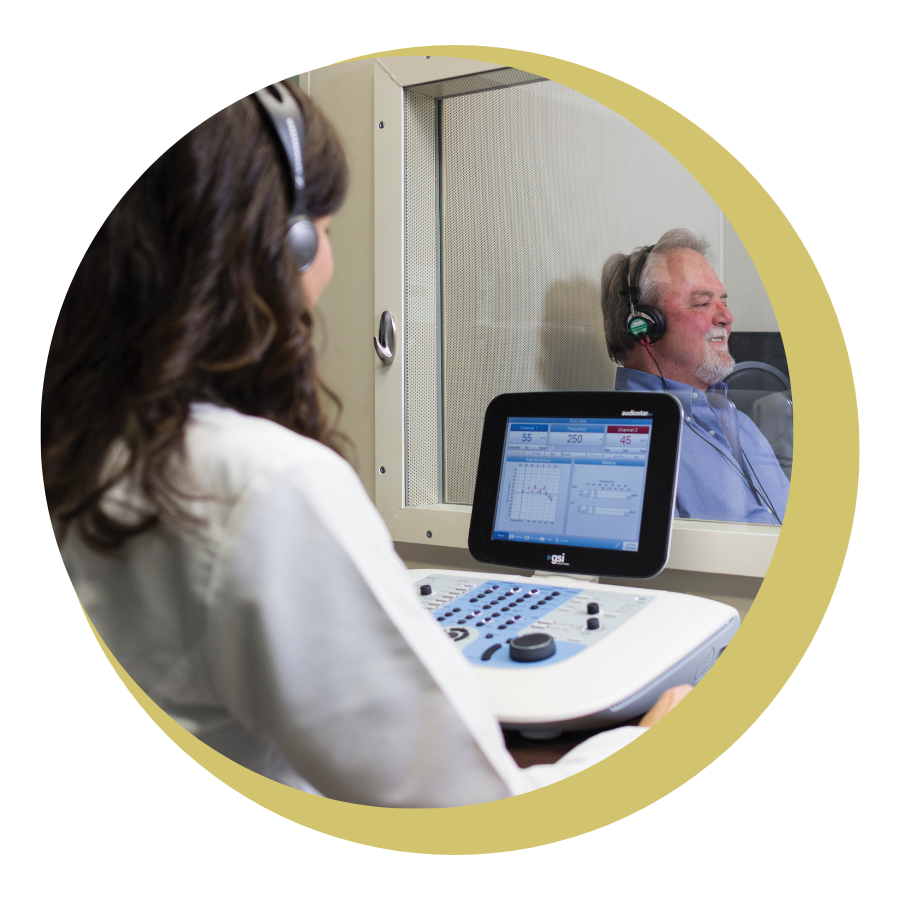
Here are just a few reasons to choose Johnson Audiology for your hearing and communication assessment and ongoing hearing health care partner.
- A team of university-trained Doctors of Audiology helping you hear better.
- Patient Care Coordinators and Audiology Assistants attending to your needs with hearing aid cleaning and maintenance and other routine care
- In-house insurance specialists who verify your benefits before you arrive at your first appointment
- In network with more than 75 insurance companies and third party hearing programs
- Appointment verification and hearing test results sent to your referring physician
How Hearing Loss Changes the Brain
Studies have found that hearing loss triggers neuroplasticity, the brain's ability to reorganize itself. When the brain stops receiving normal levels of sound, it compensates by recruiting other senses—like vision—to fill in the gaps. This shift rewires neural pathways in the auditory cortex and other areas of the brain.
Mild Hearing Loss = Measurable Brain Change
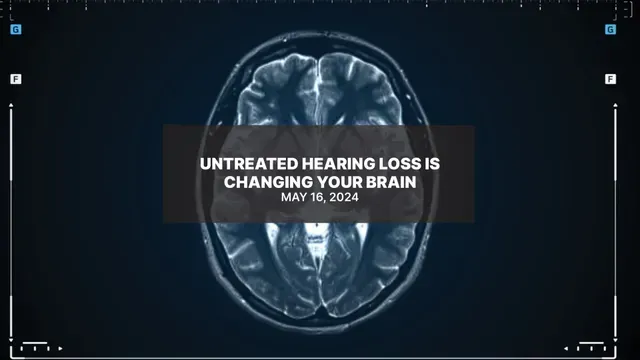
Research from the University of Colorado Boulder's Brain and Behavior Laboratory found that even mild sensorineural hearing loss (SNHL) causes the brain to reorganize—and these changes begin quickly, not just after years of hearing decline.

Healthy Hearing = Better Living
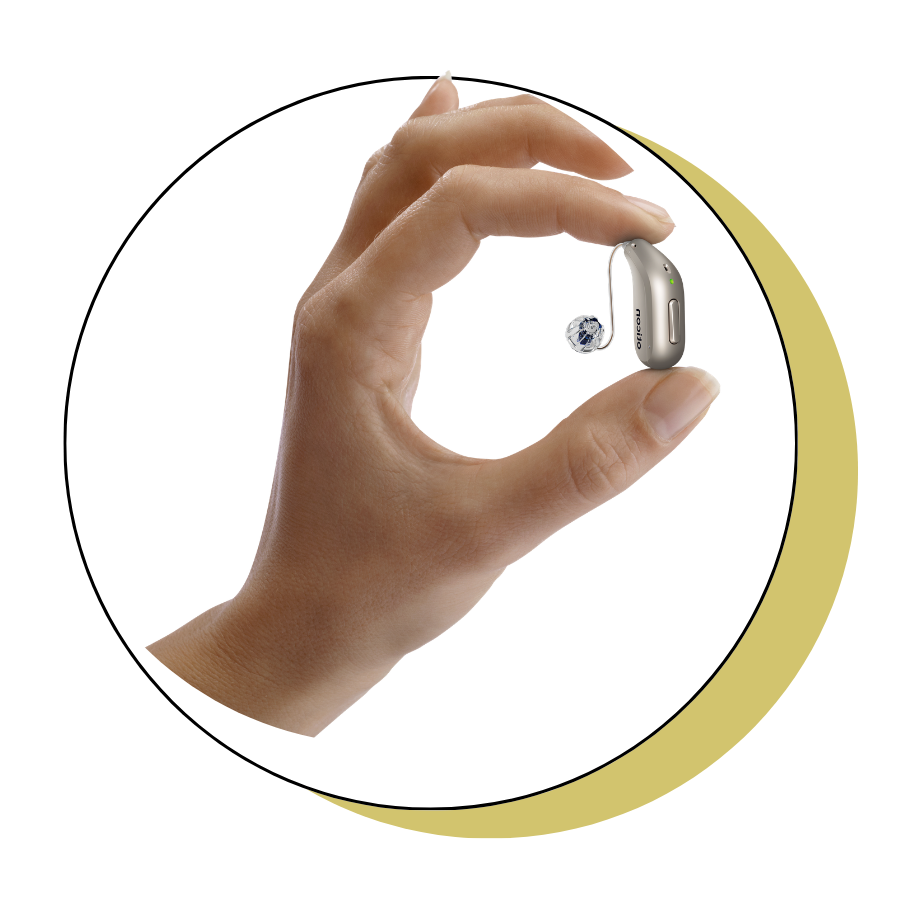
Today’s hearing aids are nothing like the bulky devices of the past. They’re sleek, sophisticated, and powerful—often equipped with smart features that improve both hearing and brain processing in real time.
Taking control of your hearing means:
- Staying mentally sharp as you age
- Communicating more clearly with students, colleagues, and loved ones
- Feeling more connected at work and in social settings
- Reducing your risk of isolation, depression, and cognitive decline
- Joining thousands of satisfied Johnson Audiology patients who’ve regained quality of life
How Hearing Loss Affects Brain Health: Insights and Prevention Tips

Start with a Hearing Evaluation
Whether you're noticing subtle changes in your hearing or want to be proactive about your cognitive health, the first step is simple: get tested. With convenient locations in Chattanooga, Hixson, Franklin, Cartersville, and Murfreesboro, Johnson Audiology is here to help you protect your hearing—and your brain—for the long run.