Hearing Care for Active Duty Service Members & Veterans at
Johnson Audiology
You've Served Our Country.
Let Johnson Audiology Serve Your Hearing Health Care Needs.
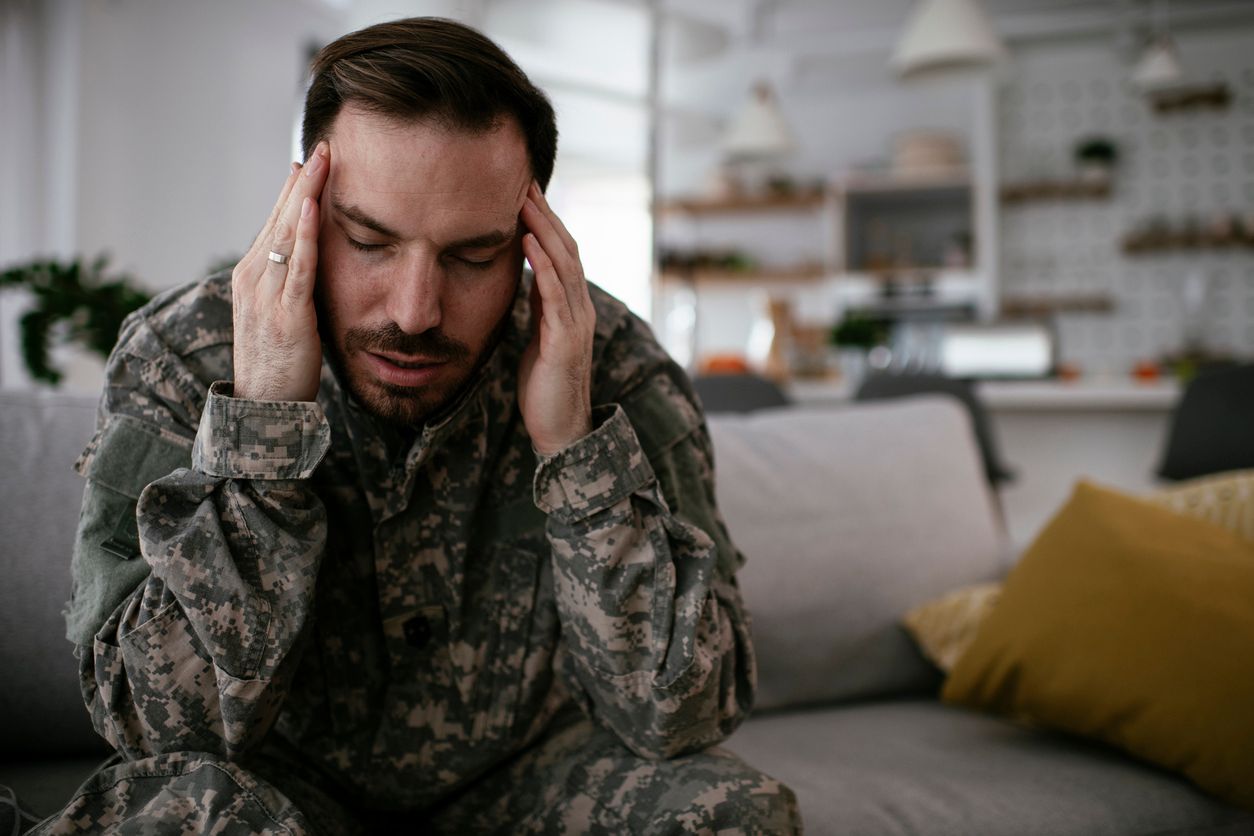
Military service often comes with exposure to intense noise from weapons, aircraft, heavy equipment, explosions, training exercises, and more. While these sounds are part of serving our nation, they can leave a lasting impact on your hearing health.
At Johnson Audiology, we are proud to care for veterans. Whether you're seeking help for hearing loss, tinnitus (ringing in the ears), or need documentation connecting your hearing condition to military service, our experienced team is here to help.
Hearing Loss and Tinnitus Among Veterans
Hearing loss and tinnitus are among the most common service-connected disabilities affecting the military community today. According to the U.S. Department of Veterans Affairs, hearing problems are the most prevalent service-connected disabilities among American veterans. Military noise exposure unique to those in the military significantly increases the risk of permanent hearing damage.
Consider these facts:
- More than 1.5 million United States veterans receive disability compensation for hearing loss.
- More than 3 million veterans receive disability compensation for tinnitus.
- Tinnitus and hearing loss consistently rank among the most common service-connected disabilities awarded by the VA.
- Research has found tinnitus prevalence rates exceeding 50% in some veteran populations exposed to military noise and blast exposure.
The good news is that today's hearing technology and tinnitus management solutions can help veterans and active duty service members reconnect with the sounds they don't want to miss and quieten the ringing of tinnitus.

Three Ways Service Members &Veterans Access Hearing Care at Johnson Audiology

1. Nexus Letters for VA Disability Claims
Many veterans experience hearing loss or tinnitus related to military noise exposure but need medical documentation to support a VA disability claim.
A nexus letter is a professional medical opinion that explains the connection between your current hearing condition and your military service. Our audiologists can perform a comprehensive hearing evaluation and provide the documentation needed to help support your claim when appropriate.
A nexus letter may be helpful if:
- You were exposed to loud noise during military service
- You currently experience hearing loss or tinnitus
- You are filing a new VA disability claim
- You are appealing a previously denied claim
2. Hearing Care Through TRICARE
Johnson Audiology accepts many TRICARE beneficiaries and can help eligible military members, retirees, and family members access hearing healthcare benefits.
Our team can assist with:
- Comprehensive hearing evaluations
- Hearing aid consultations and fittings
- Tinnitus evaluations and management
- Ongoing hearing aid care and maintenance
If you're covered by TRICARE, our staff can help determine your benefits and guide you through the referral process when needed.
3. Community Care Referrals Through Optum
Many veterans receive hearing healthcare through the VA Community Care Network administered by Optum.
If the VA authorizes community care services, you may be referred to Johnson Audiology for:
- Diagnostic hearing testing
- Hearing aid evaluations
- Hearing aid fittings and follow-up care
- Tinnitus services
- Ongoing hearing healthcare
Our team works with authorized Optum referrals and understands the processes involved in coordinating care for veterans.
Taking control of your hearing means:
- Staying mentally sharp as you age
- Communicating more clearly with loved ones and healthcare providers
- Feeling more connected at work and in social settings
- Reducing your risk of isolation, depression, and cognitive decline
- Joining thousands of satisfied Johnson Audiology patients who’ve regained quality of life
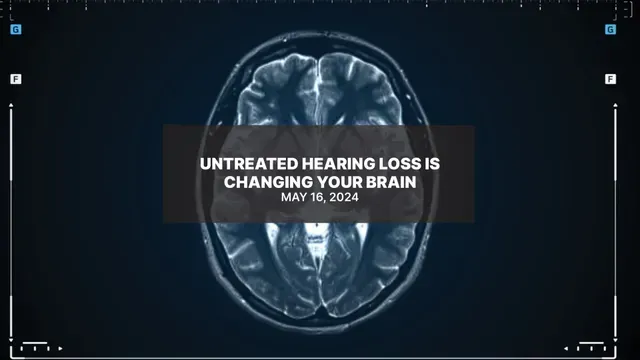
How Hearing Loss Changes the Brain
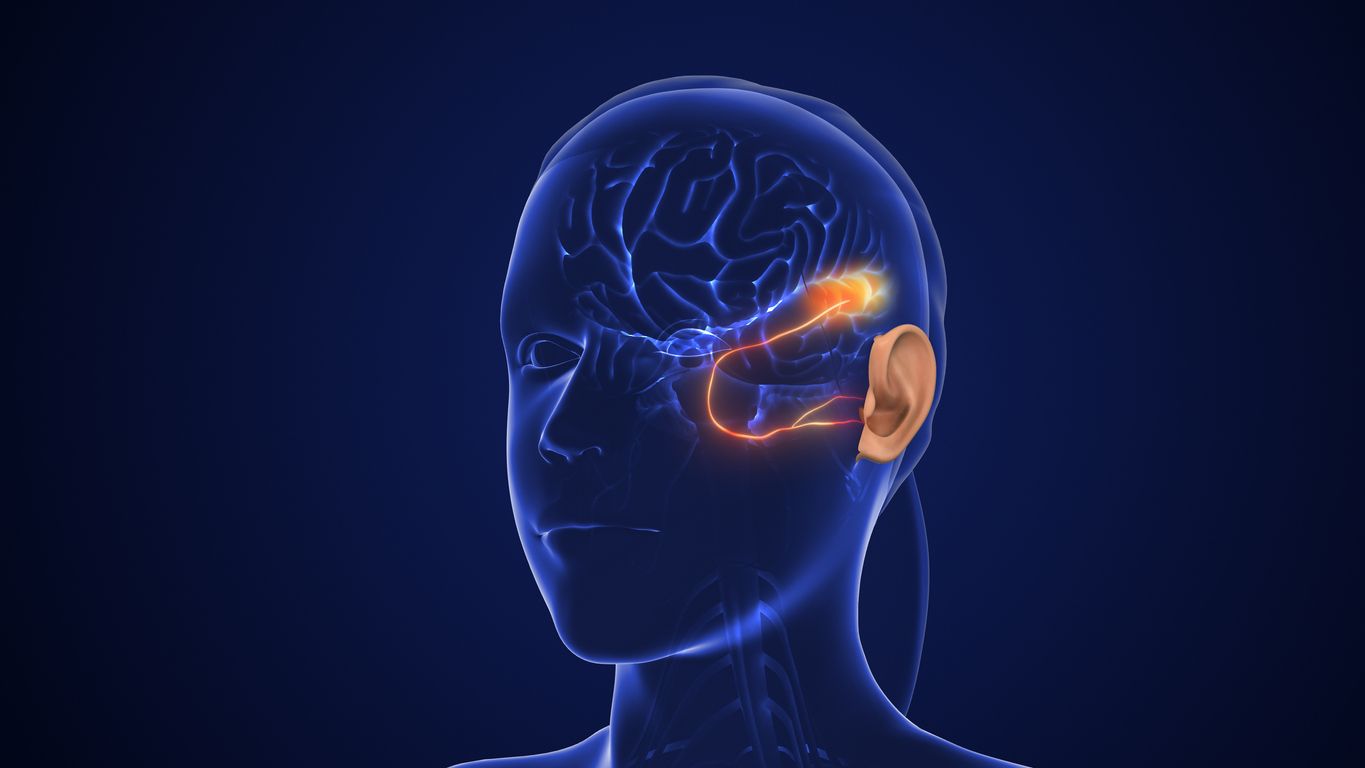
Studies have found that hearing loss triggers neuroplasticity, the brain's ability to reorganize itself. When the brain stops receiving normal levels of sound, it compensates by recruiting other senses—like vision—to fill in the gaps. This shift rewires neural pathways in the auditory cortex and other areas of the brain.
Mild Hearing Loss = Measurable Brain Change
Research from the University of Colorado Boulder's Brain and Behavior Laboratory found that even mild sensorineural hearing loss (SNHL) causes the brain to reorganize—and these changes begin quickly, not just after years of hearing decline.
What compensatory mechanisms does the brain employ because of hearing loss?
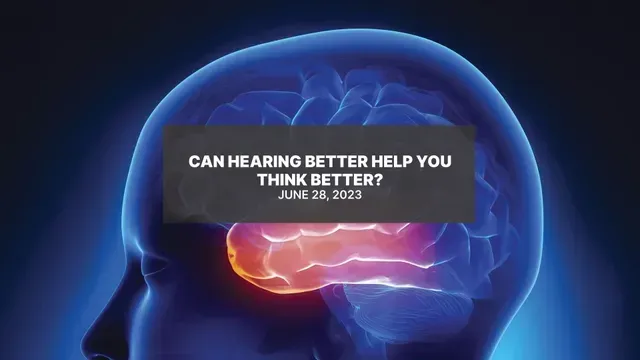
The human brain is accustomed to and wired for receiving a full range of environmental sounds with speech being one of the most complex and structured that the human brain interprets. Thus, when an auditory task that was once effortless—like listening to a conversation in a busy restaurant—becomes challenging due to hearing loss, the brain compensates by seeking to accomplish the same goal by way of vision. Researchers have found that the brain physically changes when this recruitment of vision happens, with the higher order areas of the auditory cortex showing functional changes when recruited by vision. Using electroencephalography (EEG) on people with hearing loss, researchers stimulate the brain using only visual input and observe that areas of the brain that responded to auditory input before hearing loss have reorganized to respond to visual stimuli.
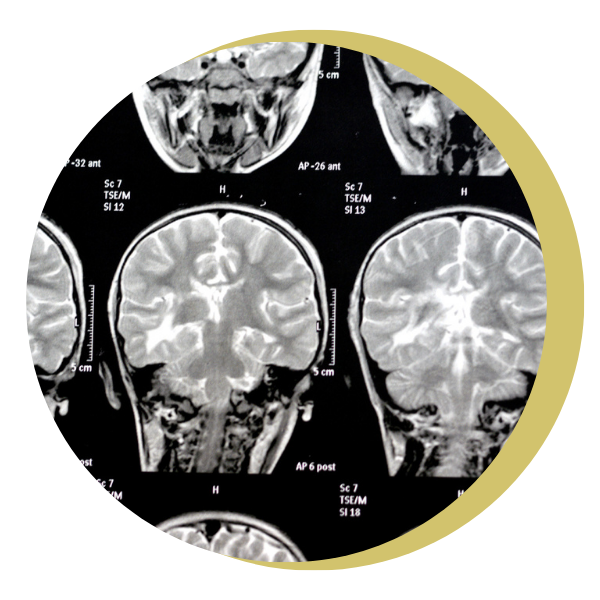
What is happening in the frontal and pre-frontal areas of the brain?
Using electroencephalography (EEG), researchers have noted increased activity in the frontal and pre-fontal areas in the brain in those with even mild hearing loss. This re-allocation of cortical resources from the auditory areas to the frontal cognitive areas suggests that the brain is expending more effort to listen. This increase in cognitive load can lead to listening fatigue, may be a factor in cognitive decline, and can put a person at higher risk for mental health issues like anxiety and depression.
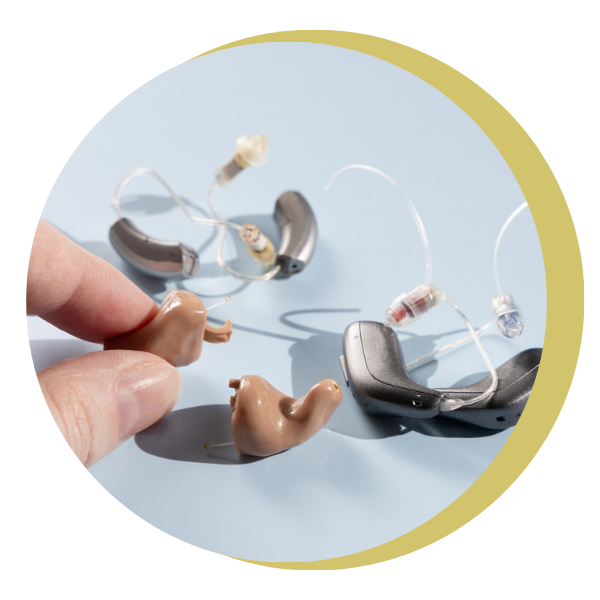
Can improving hearing with hearing aids and cochlear implants help the brain?
Yes! Long-term research is still being gathered to paint the full picture on the benefits of hearing technology—like hearing aids and cochlear implants—as it applies to decreased brain recruitment and reorganization, but initial research points in that direction. Some case studies reveal that people wearing hearing aids appear to show a reversal in brain recruitment and reallocation. Further, the brain of a person who has been treated for hearing loss sooner rather than later experiences fewer changes in cortical resource allocation. Also, that person is more likely to retain better speech perception as compared to a person whose brain has "forgotten" how to hear as a result of long-term untreated hearing loss.
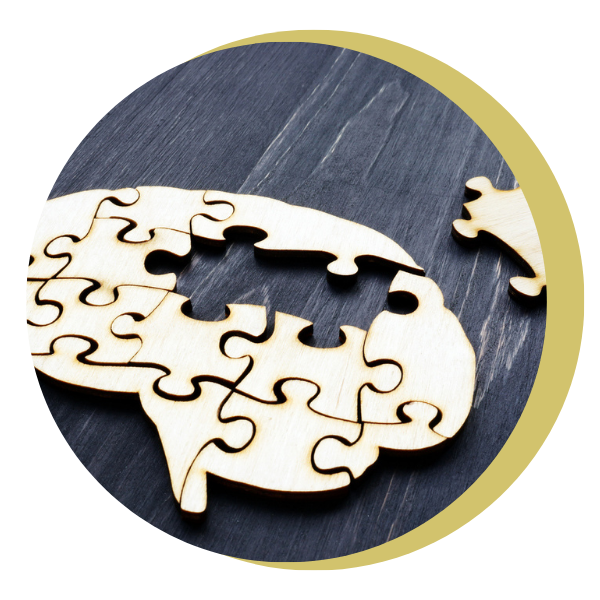
What is on the horizon for a cognitive component to audiologic testing?
Within the audiologic profession, there is a movement that is gaining momentum to fold basic cognitive function screening into hearing testing. Since cognitive issues often present similarly to listening disorders, it makes sense that in coming years audiologists will include a full battery of cognitive assessments to bring greater insight and understanding to a person's overall cognitive health, even when looking at a specific condition like hearing loss. In fact companies are already developing assessment tools that measure reaction time to demonstrate how quickly the brain coordinates between stimulus and response. As science continues to connect the dots of hearing disorders and brain health, hearing care is certain to emerge as a vital tool in improving patients' overall health and wellness, especially since early detection of hearing loss and cognitive impairment is important because hearing loss in mid-life is a risk factor for dementia.
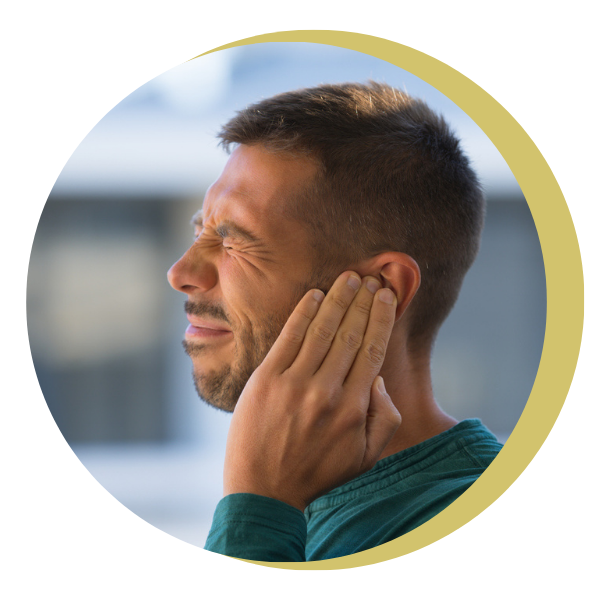
How are tinnitus and the brain connected?
Tinnitus, or ringing in the ears, can manifest from a variety of factors. While tinnitus may have similar characteristics from person to person, each individual's experience with tinnitus can be different in terms of severity, manifestation, and a person's ability to cope with the condition. As much as 90 percent of tinnitus cases can be traced to hearing loss, and even mild hearing loss can lead to tinnitus. Researchers now know that, physiologically, tinnitus occurs in the dorsal cochlear nucleus (DCN). The DCN is the interaction site of auditory and somatosensory system inputs. According to the stochastic resonance theory, hearing loss increases the neural activity of the somatosensory system in the DCN and causes tinnitus. In essence, the brain detects hearing loss in certain frequencies and fills in the silence with ringing. Tinnitus flare ups can also be triggered or exacerbated by things like stress, ototoxic medications, smoking, alcohol consumption, and more. The best place to start in seeking a tinnitus management plan is with a doctor of audiology, who can test to determine exactly what frequencies of hearing have experienced damage leading to hearing loss and, thus, tinnitus. While tinnitus is not currently curable, toning it down is possible and is often best accomplished using a multi-disciplinary team approach with care providers from various specialties playing a role. For those whose tinnitus impacts daily mental health and function, managing the condition can have significant positive benefits for a person's well-being and quality of life.
How Hearing Loss Affects Brain Health: Insights and Prevention Tips

Start with a Hearing Evaluation
Whether you're noticing subtle changes in your hearing or want to be proactive about your cognitive health, the first step is simple: get tested. With convenient locations in Chattanooga, Hixson, Franklin, Cartersville, and Murfreesboro, Johnson Audiology is here to help you protect your hearing—and your brain—for the long run.